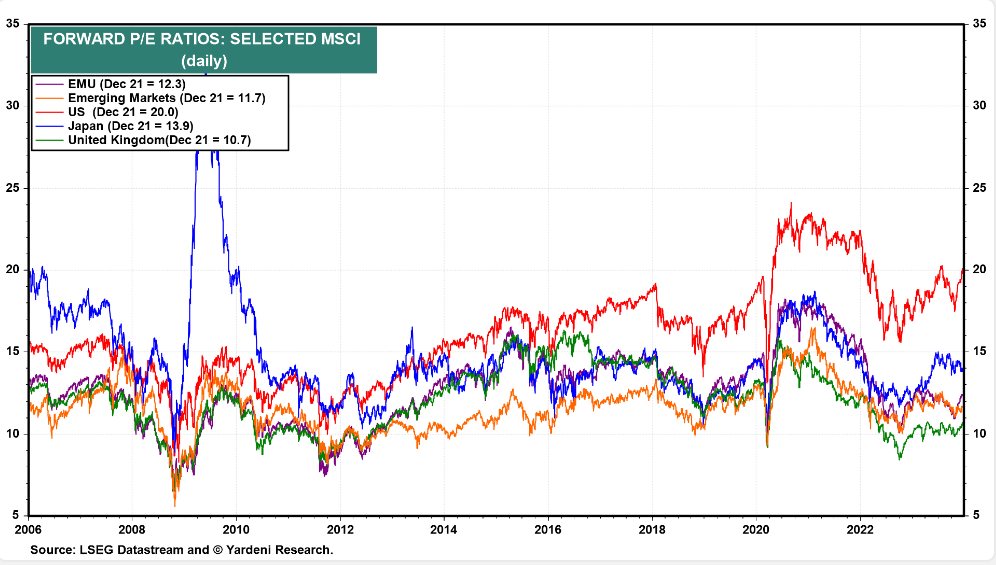
Why Earnings Volatility Matters to Investors
Earnings volatility is a critical factor for investors as it directly influences stock prices and market sentiment. Understanding the dynamics behind earnings fluctuations can offer insights into the stability and growth potential of a company. For long-term investors, grasping how markets react to earnings volatility is essential for making informed decisions, safeguarding against potential losses, and capitalizing on unexpected opportunities.
Key Business and Financial Drivers
The primary drivers of earnings volatility often stem from both internal and external factors. Internally, a company’s operational efficiency, cost management, and strategic decisions play a significant role. Externally, macroeconomic conditions, regulatory changes, and competitive pressures can cause earnings to swing.
For instance, companies heavily reliant on raw materials are susceptible to commodity price fluctuations, impacting their cost structures and profit margins. Additionally, businesses undergoing rapid expansion may experience growing pains, affecting consistent earnings performance but potentially setting the stage for future growth.
Expectations vs. Reality
Market expectations are typically built into stock prices through analyst forecasts and investor sentiment. When a company reports earnings, the market assesses the results against these expectations, leading to stock price adjustments. Often, even a minor deviation from anticipated results can trigger significant market reactions.
For example, if a tech company consistently reports earnings growth, investors might expect this trend to continue. However, if the company announces a quarter with flat earnings due to increased R&D spending, the initial market reaction might be negative. The reality, however, could be that this investment positions the company for substantial long-term gains.
What Could Go Wrong
Several risks could exacerbate earnings volatility and negatively impact a company’s stock. Economic downturns, supply chain disruptions, or shifts in consumer behavior could lead to unexpected earnings shortfalls. Additionally, regulatory changes or geopolitical tensions might introduce new operational challenges.
Investors should also be wary of companies with aggressive accounting practices, as these can obscure true earnings performance and lead to future corrections. Misjudging these risks could result in significant losses, especially for those with a short-term focus.
Connecting Short-Term Factors to Multi-Year Outcomes
While earnings volatility can create short-term uncertainty, it is crucial for investors to maintain a long-term perspective. Companies that demonstrate resilience and adaptability in the face of earnings fluctuations are often better positioned for sustainable growth. By focusing on the underlying business fundamentals and strategic vision, investors can make informed decisions that align with their long-term goals.
Investor Tips
- Focus on companies with strong fundamentals and clear, realistic growth strategies.
- Monitor industry trends and macroeconomic indicators that could impact earnings.
- Avoid overreacting to short-term market volatility; assess the broader implications of earnings reports.
- Consider diversification to mitigate risks associated with earnings volatility.
Disclaimer: This article is for informational purposes only and does not constitute financial advice. Investors should conduct their own research or consult with a financial advisor before making investment decisions.

Leave a Reply