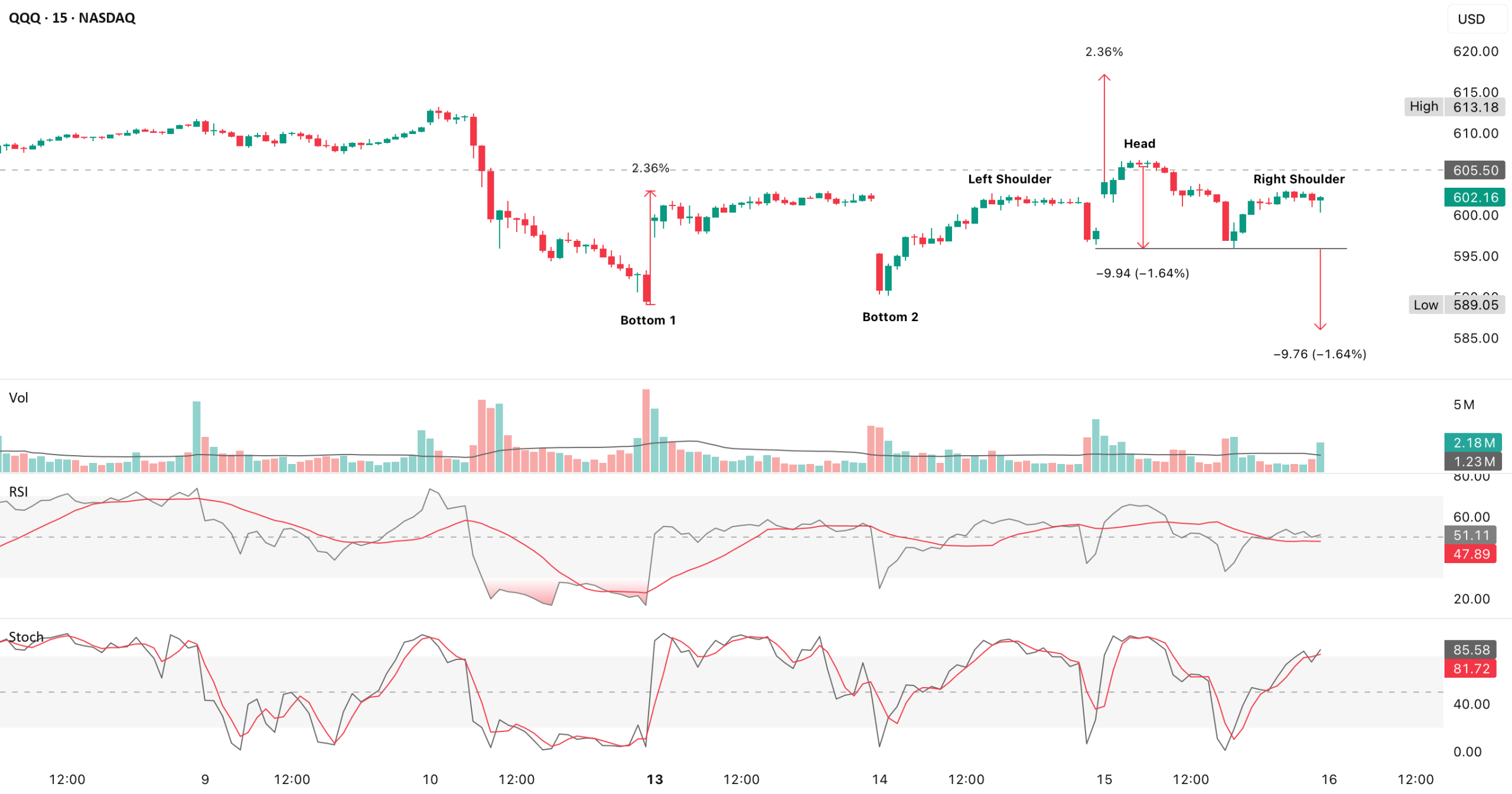
Why Volatility Matters to Investors
Volatility in the US stock markets is more than just a statistic—it’s a reflection of investor sentiment and economic conditions. For long-term investors, understanding these fluctuations can be the difference between panic selling and strategic buying. In a world where market movements can be unpredictable, grasping volatility’s root causes can help investors make informed decisions, potentially turning a turbulent market into an opportunity for growth.
Key Drivers of Market Volatility
Volatility is often driven by several key factors, including macroeconomic indicators, geopolitical events, and corporate earnings reports. Economic data such as GDP growth rates, unemployment figures, and inflation can influence market perceptions and trigger reactions. Meanwhile, geopolitical tensions, like trade wars or political instability, can create uncertainty, prompting investors to reassess risk. Additionally, earnings announcements can lead to sharp stock movements as companies either meet or miss market expectations.
Expectations vs. Reality
Investors often build their expectations based on historical data and future projections. However, the reality may not always align with these forecasts. For example, a company might meet its earnings target, but if the market expected a beat, the stock might still drop. Conversely, a negative report might not affect the stock if the market had already priced in the bad news. Understanding these dynamics can help investors differentiate between temporary noise and significant market shifts.
What Could Go Wrong
Several risks exist that could exacerbate market volatility. A sudden economic downturn, unexpected changes in monetary policy, or an unforeseen geopolitical conflict could all lead to increased uncertainty. Additionally, over-leveraged companies may struggle during volatile periods, potentially leading to broader market repercussions. Investors should be vigilant in monitoring these risk factors, as they can significantly impact long-term investment strategies.
Connecting Short-Term Factors to Long-Term Outcomes
While short-term volatility can be unsettling, it is crucial to keep a long-term perspective. Historical data shows that markets have a tendency to recover and grow over time despite temporary setbacks. By focusing on solid fundamentals and maintaining a diversified portfolio, investors can potentially mitigate short-term risks and capitalize on long-term growth opportunities. Patience and strategic positioning are key to navigating volatile markets effectively.
Investor Tips
- Stay informed about economic indicators and geopolitical developments that could impact volatility.
- Maintain a diversified portfolio to spread risk and avoid overexposure to any single asset class.
- Focus on companies with strong fundamentals and resilient business models that can weather economic cycles.
- Avoid impulsive decisions during volatile periods; instead, use them as opportunities to reassess and adjust your strategy.
Disclaimer: This article is for informational purposes only and does not constitute financial advice. Investors should conduct their own research or consult with a financial advisor.

Leave a Reply