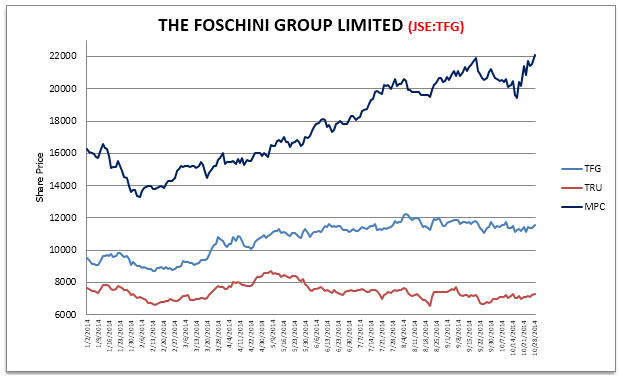
Why Risk Management Matters to Investors
Risk management in stock investing is crucial for ensuring that potential losses are minimized while maximizing returns over the long term. For long-term investors, understanding risk is not about avoiding it entirely but about managing it intelligently. This approach helps in building a robust portfolio that can weather market volatility and deliver sustainable growth.
Key Drivers in Risk Management
Effective risk management involves analyzing key business and financial drivers that impact a company’s performance. These include:
- Revenue Stability: Consistent revenue streams suggest resilience against economic downturns. Investors should evaluate the diversity and reliability of a company’s income sources.
- Debt Levels: Companies with high debt may struggle during interest rate hikes. Monitoring debt ratios helps investors assess financial stability.
- Market Position: A strong market position indicates competitive advantages that may mitigate risks. Understanding a company’s market share and competitive landscape is vital.
Expectations vs. Reality
Investors often price stocks based on expected earnings growth, market conditions, and company performance. However, these expectations might not align with reality due to unpredictable factors such as regulatory changes, technological disruptions, or geopolitical events. It is important to continuously reassess these factors and adjust investment strategies accordingly.
What Could Go Wrong
Several risks could derail a carefully constructed investment portfolio:
- Economic Downturns: Recessions can shrink profit margins and lead to decreased stock valuations. Investors should prepare for such scenarios by diversifying their holdings.
- Management Missteps: Poor corporate governance or strategic errors can impact a company’s trajectory. Keeping an eye on management decisions is crucial.
- Sector-Specific Risks: Industries like technology or energy face unique challenges that can affect stock performance. Sector analysis helps in understanding these risks.
Connecting Short-Term Factors to Long-Term Outcomes
While short-term market movements can be unpredictable, their impact on long-term outcomes is often overstated. By focusing on underlying business fundamentals, investors can better align their strategies with long-term growth objectives. This involves continuously monitoring market trends, economic indicators, and company-specific developments.
Investor Tips
- Regularly review and rebalance your portfolio to adapt to changing market conditions.
- Stay informed about macroeconomic trends and their potential impact on your investments.
- Consider both qualitative and quantitative factors when assessing investment risks.
This article is for informational purposes only and does not constitute financial advice. Please consult a financial advisor before making investment decisions.

Leave a Reply