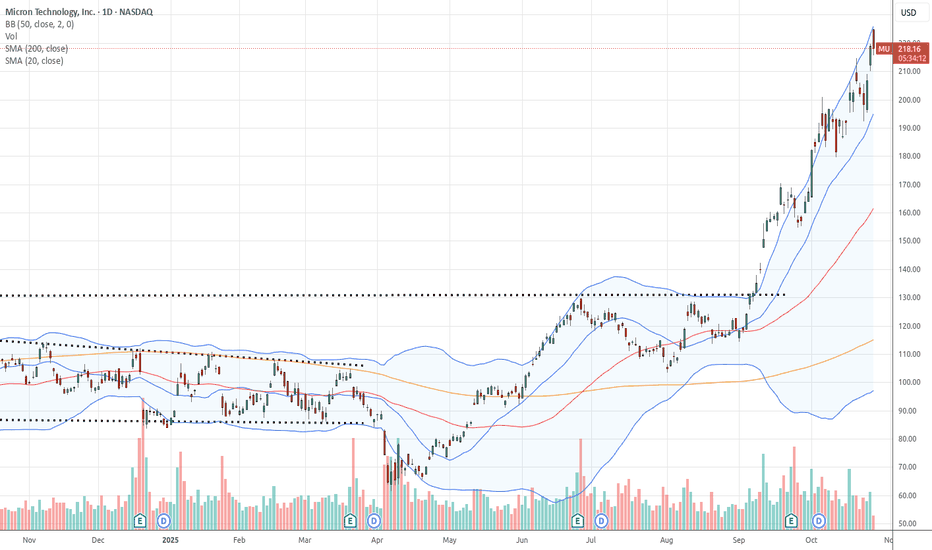
Understanding the Importance of Downside Valuation Risk
For long-term investors, the concept of downside valuation risk is crucial as it directly impacts the potential for capital preservation and growth. When this risk dominates, it suggests that the market may be overestimating a company’s future prospects or underestimating potential obstacles. Recognizing when downside risks are prevalent can aid investors in making informed decisions, ensuring that they are not caught off guard by unexpected downturns.
Key Drivers Behind Downside Valuation Risk
The main drivers contributing to downside valuation risk often include overvaluation, economic headwinds, and company-specific issues. Overvaluation occurs when a stock’s price far exceeds its intrinsic value, often driven by speculative enthusiasm or unrealistic growth expectations. Economic headwinds, such as recessions or shifts in consumer behavior, can further exacerbate these risks by impacting a company’s revenue and profitability. Additionally, internal issues like management changes or operational inefficiencies can create further volatility.
Expectations vs Reality: A Critical Analysis
Investors frequently face a gap between market expectations and reality. Expectations might be overly optimistic, fueled by recent successes or market trends. However, reality may paint a different picture, with potential slowdowns in growth or unexpected challenges arising. Understanding this disparity is crucial; when expectations are high, any deviation from the anticipated performance can lead to significant stock price corrections.
What Could Go Wrong
Several scenarios could lead to a realization of downside risks. A sudden economic downturn could severely impact consumer spending, reducing demand for products or services. Regulatory changes might increase operational costs or limit market access, affecting profitability. Moreover, technological disruptions could render existing business models obsolete, leading to diminished market relevance. Each of these factors, if not anticipated, may significantly impact long-term investment returns.
Connecting Short-Term Factors to Long-Term Outcomes
While short-term market fluctuations are common, their impact on long-term outcomes can be profound. A company facing short-term valuation pressures might struggle to secure financing, limiting its ability to invest in growth opportunities. Additionally, if a business cannot adapt to changing conditions, it risks losing market share to more agile competitors. Investors must consider how these short-term challenges might influence the company’s trajectory over several years.
Investor Tips
- Stay informed about market trends and economic indicators that could signal potential risks.
- Evaluate whether current stock prices reflect realistic growth expectations or speculative enthusiasm.
- Monitor company-specific factors such as management performance and strategic initiatives.
- Consider diversifying your portfolio to mitigate the impact of downside risks.
Investing always entails risks, and the key is to remain vigilant and adaptable. An informed approach can turn potential challenges into opportunities for long-term success.
This article is for informational purposes only and should not be considered financial advice. Always conduct your own research before making investment decisions.

Leave a Reply