Why Weakening Sector Fundamentals Matter to Investors
For long-term investors, understanding sector fundamentals is crucial as they provide the underlying health signals of industries where companies operate. When these fundamentals start to weaken, it can be a harbinger of broader economic challenges, impacting stock performance and investor portfolios. This topic is vital as it helps investors anticipate market shifts and evaluate the resilience of their investments over the long haul.
Key Business and Financial Drivers
Sector fundamentals are influenced by a range of factors including consumer demand, regulatory changes, technological advancements, and macroeconomic conditions. For instance, a decline in consumer demand may signal a weakening economy, affecting revenue growth across industries. Similarly, regulatory changes can increase compliance costs, squeezing profit margins. These drivers matter because they directly impact a company’s ability to generate sustainable earnings, which is the backbone of long-term stock valuation.
Expectations vs Reality: Bridging the Gap
Investors often price stocks based on expected future performance, but when sector fundamentals weaken, these expectations may not align with reality. For example, a tech company might be priced for high growth due to past performance, but if sector-wide innovation slows, future earnings could disappoint. This discrepancy matters as it could lead to overvalued stocks, increasing the risk of price corrections when actual results fall short of expectations.
What Could Go Wrong
There are several risks that investors should be wary of when sector fundamentals weaken. A key risk is the potential for prolonged economic downturns, which can exacerbate sector struggles and lead to decreased consumer spending. Companies might also face increased competition, both from domestic and international players, eroding market share and profitability. Additionally, geopolitical tensions could disrupt supply chains, further straining financial performance. These risks matter because they can lead to significant stock devaluation and affect the long-term growth prospects of investments.
Long-Term Perspective: Connecting Short-Term Factors to Multi-Year Outcomes
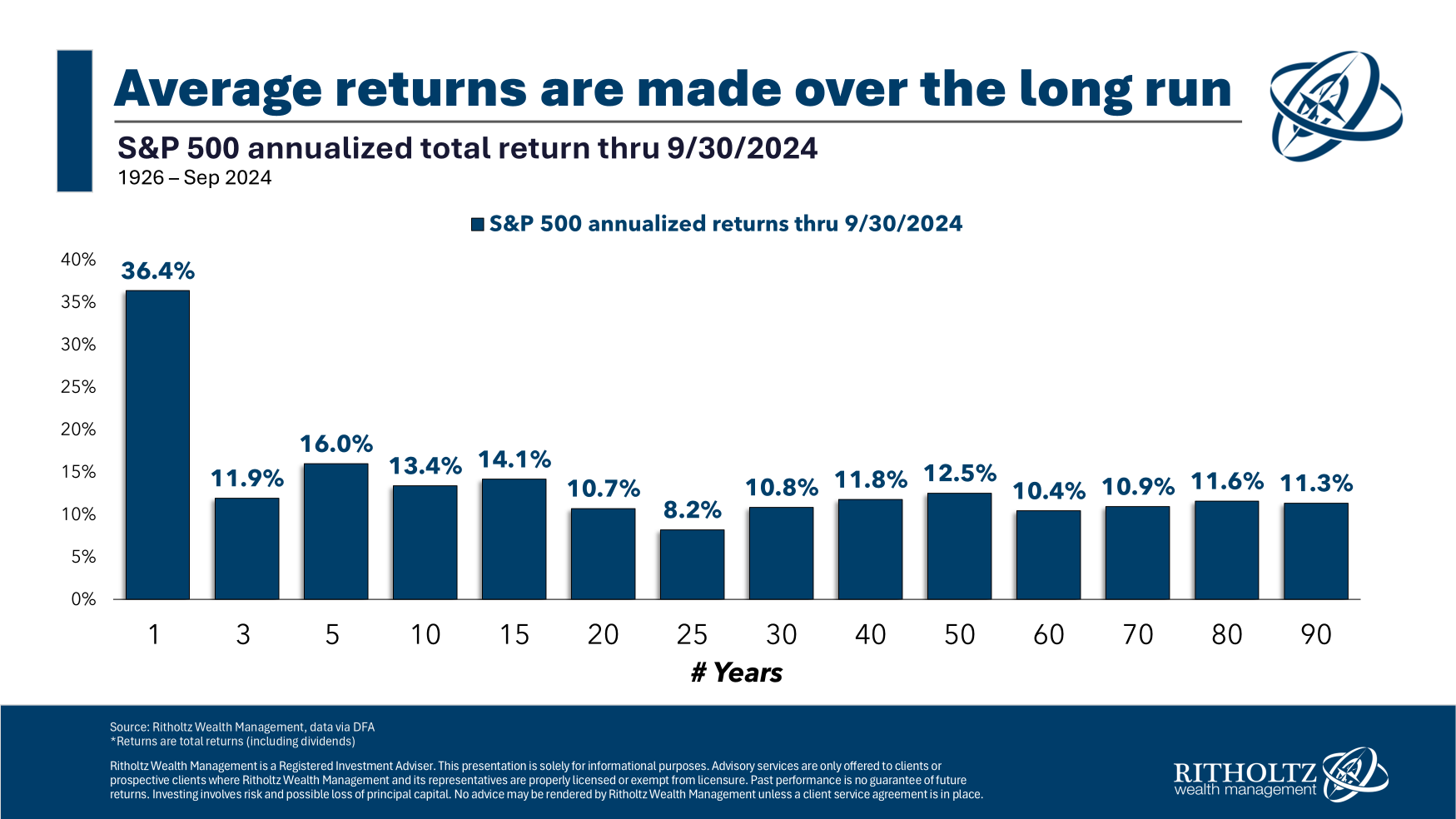
While short-term factors might cause volatility, they can also offer insights into long-term trends. For instance, a temporary dip in sector performance might highlight underlying structural issues that require strategic pivots. Conversely, short-term challenges might prompt innovation and efficiency improvements that benefit companies in the long run. Understanding these dynamics allows investors to make informed decisions that align with their long-term investment goals, ensuring resilience and growth in their portfolios.
Investor Tips
- Monitor economic indicators and sector-specific news to gauge fundamental shifts.
- Assess company adaptability and management’s strategic response to changing fundamentals.
- Evaluate diversification strategies to mitigate risks associated with sector-specific downturns.
- Stay informed about potential regulatory changes and technological disruptions that could impact sectors.
Disclaimer: This article is for informational purposes only and should not be considered financial advice. Always consult with a financial advisor before making investment decisions.

Leave a Reply