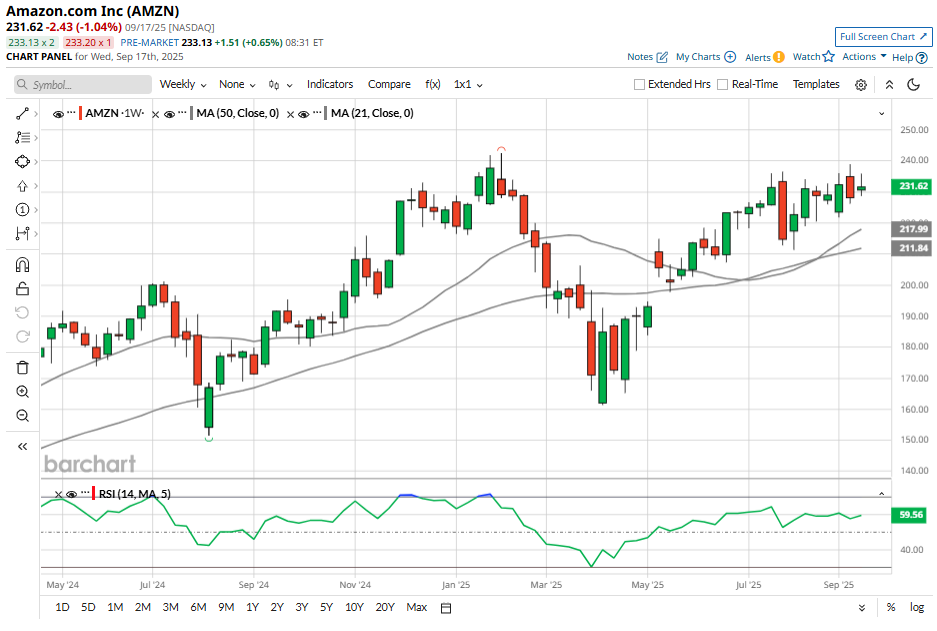
Introduction: The Importance of Valuation Metrics for Investors
When it comes to evaluating potential stock investments, understanding valuation metrics is crucial. Among these, forward and trailing valuation metrics are particularly significant. They help investors gauge a company’s current worth relative to its future potential. This topic matters because the choice between forward and trailing metrics can influence investment decisions and overall portfolio performance, particularly for those who aim to hold stocks over the long term.
Key Business and Financial Drivers
Valuation metrics are influenced by various factors, including revenue growth, profit margins, and market conditions. Forward valuation metrics consider expected future earnings, making them sensitive to projected growth rates and market sentiment. Trailing metrics, on the other hand, are based on past performance, offering a snapshot of historical profitability and stability. Understanding these drivers helps investors discern whether a stock is priced for growth or reflecting past achievements.
Expectations vs. Reality
Investors often face the challenge of aligning their expectations with reality. Forward valuations can build in optimistic growth scenarios that might not materialize, leading to potential overvaluation. Conversely, trailing valuations could undervalue a company poised for future expansion. The key is to analyze the assumptions behind these metrics. Are the growth projections realistic? Is the company operating in a stable market? Evaluating these questions can help investors align stock prices with probable outcomes.
What Could Go Wrong
Relying solely on forward metrics carries the risk of overestimating growth potential, especially in volatile industries. Economic downturns, competitive pressures, or mismanagement could derail expected performance, leading to significant stock price corrections. On the flip side, trailing metrics can overlook growth potential, causing investors to miss out on emerging opportunities. A balanced approach that considers both types of metrics can mitigate these risks.
Long-Term Perspective: Connecting Short-Term Factors to Multi-Year Outcomes
For long-term investors, the interaction between short-term metrics and long-term performance is crucial. While forward metrics provide a glimpse into future potential, they must be contextualized within industry trends and economic cycles. Trailing metrics offer a baseline for assessing consistency and resilience. Over a multi-year horizon, the interplay of these metrics can guide investors in making informed decisions that balance growth prospects with historical performance.
Investor Tips
- Analyze the assumptions behind forward growth projections critically.
- Consider the stability and consistency shown by trailing metrics.
- Balance optimism with caution by using a blend of forward and trailing metrics.
- Stay informed about industry trends and macroeconomic factors that could impact projections.
Disclaimer: This article is for informational purposes only and does not constitute financial advice. Always conduct your own research before making investment decisions.

Leave a Reply