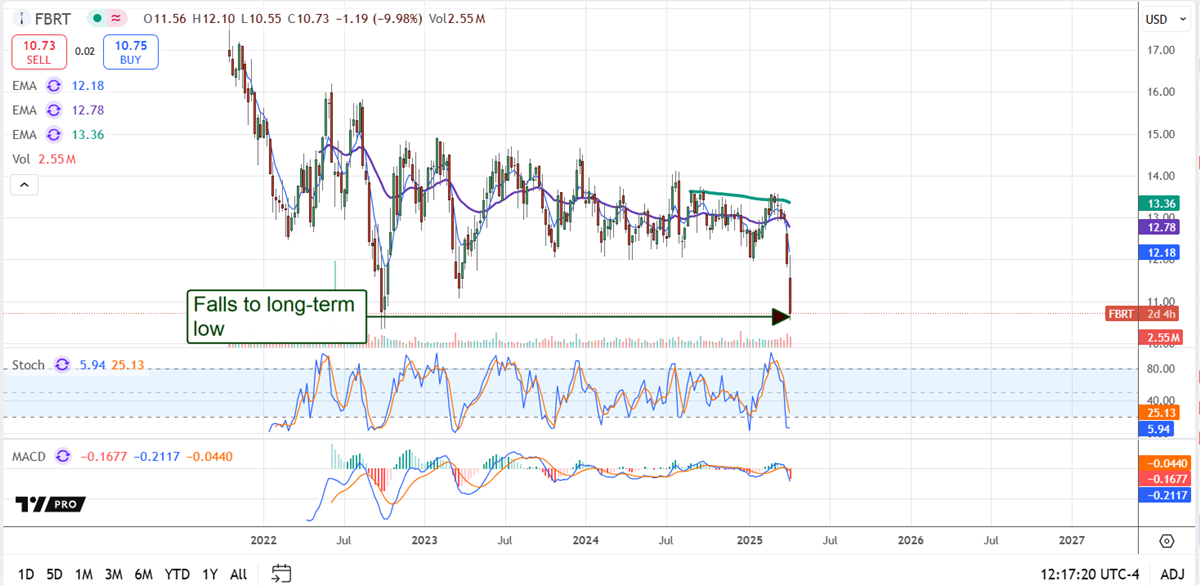
Understanding the Importance of Margin Declines
For long-term stock investors, understanding margin trends is critical. Margins, the difference between a company’s revenues and its costs, reflect a firm’s financial health and operational efficiency. A decline in margins can signal deeper issues that may jeopardize future profitability and, ultimately, the stock’s long-term value. Recognizing these signals early can help investors make informed decisions about whether to hold or exit a position.
Key Drivers Behind Margin Declines
Margin declines often arise from various interrelated factors. Rising input costs, such as raw materials or labor, can squeeze margins if not offset by price increases. Competitive pressures may compel a company to lower prices, eroding margins further. Additionally, operational inefficiencies, such as outdated technology or supply chain disruptions, can increase costs and reduce profitability. Understanding the root causes of margin declines provides insight into a company’s strategic and operational challenges.
Expectations vs. Reality
Stock prices often reflect investor expectations about future performance, including margin stability. If a company is expected to maintain or expand margins, a decline can be particularly damaging, as it may indicate that management’s strategies are not yielding the anticipated results. Investors must critically assess whether margin declines are temporary, perhaps due to cyclical factors, or indicative of structural weaknesses that could impact long-term growth.
What Could Go Wrong
Several risks can exacerbate the impact of margin declines. Persistent cost inflation without corresponding revenue growth can lead to sustained pressure on margins. Furthermore, a company’s inability to innovate or adapt to market changes can render it vulnerable to more agile competitors. Regulatory changes or geopolitical tensions can also introduce unforeseen costs or disrupt operations, further compressing margins. These factors can lead to a downward spiral if not addressed promptly.
Connecting Short-Term Factors to Long-Term Outcomes
While short-term margin fluctuations may not always indicate a crisis, sustained declines can erode investor confidence and reduce a company’s ability to invest in future growth. For long-term investors, the key is to discern whether margin pressures are transient or symptomatic of deeper issues that could impair the company’s competitive position over time. A long-term perspective requires balancing immediate financial metrics with the company’s strategic direction and market potential.
Investor Tips
- Monitor margin trends regularly to spot early warning signs of potential issues.
- Evaluate management’s track record in addressing margin pressures and their strategic response to market changes.
- Consider the competitive landscape and the company’s ability to maintain pricing power.
- Stay informed about external factors such as regulatory changes that could impact costs.
Investing in stocks requires a keen eye on both financial metrics and broader industry trends. By understanding the implications of margin declines, investors can better navigate the complexities of the market and make informed decisions about their portfolios.
Disclaimer: This article is for informational purposes only and should not be considered financial advice. Please consult with a financial advisor before making investment decisions.

Leave a Reply