Why Global Trends Matter to Long-Term Investors
In an interconnected world, global trends have the power to reshape industries, for better or worse. For long-term stock investors, understanding these trends is crucial. As economies and technologies evolve, sectors that once thrived can face headwinds, altering the landscape for investors. Anticipating these shifts allows investors to make informed decisions, helping them to mitigate risks and capitalize on new opportunities.
Key Business and Financial Drivers
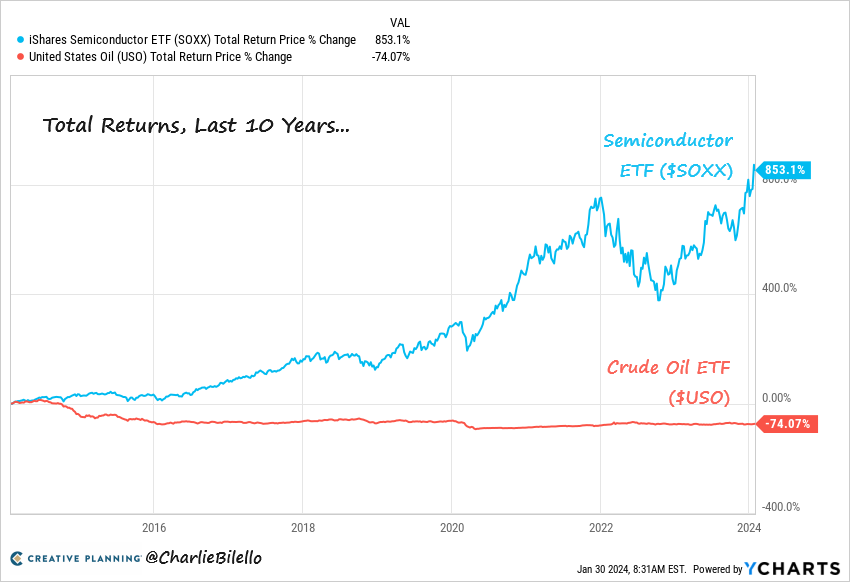
Global trends such as technological advancement, regulatory changes, and shifts in consumer behavior can deeply impact sectors. For instance, the push towards renewable energy and carbon neutrality challenges traditional energy companies. These firms face increased costs and regulatory scrutiny, affecting their profitability. Meanwhile, technological disruptions in the automotive sector, like the rise of electric vehicles, force established players to adapt or lose market share.
Understanding these drivers is essential as they dictate the financial health and strategic direction of companies within affected sectors. Investors need to assess whether companies are equipped to navigate these changes and whether their strategies align with evolving global dynamics.
Expectations vs Reality
Investors often price expectations into stocks based on perceived sector stability or growth prospects. For example, a tech company might be valued highly due to anticipated growth from digital transformation trends. However, if these expectations don’t materialize due to competitive pressures or regulatory hurdles, stock performance can suffer.
Realistically, while some companies may adapt and thrive, others may struggle. Investors should scrutinize whether current stock prices reflect overly optimistic scenarios and consider the potential for market corrections if reality diverges from these expectations.
What Could Go Wrong
Several factors could exacerbate the negative impact of global trends on sectors. Regulatory changes can impose unforeseen costs or restrictions, particularly in heavily regulated industries like healthcare or finance. Additionally, geopolitical tensions can disrupt supply chains, impacting production and profitability.
Another risk is technological obsolescence. Companies failing to innovate may lose competitive edge, leading to declining revenue and market share. Investors must remain vigilant about these risks and assess whether companies have robust strategies to counter potential headwinds.
Long-Term Perspective: Connecting Short-Term and Multi-Year Outcomes
While short-term volatility is inevitable, long-term investors should focus on how companies position themselves for the future. A company’s ability to adapt to global trends can determine its sustainability and growth over the next decade. For instance, those investing in renewable energy today may face short-term challenges, but the potential for long-term gains is significant as the world shifts towards sustainable solutions.
Ultimately, the goal is to hold stocks that not only weather short-term disruptions but also leverage them for sustained growth and competitive advantage.
Investor Tips
- Stay informed about global trends and their potential sector impacts.
- Assess company strategies for adapting to changes and mitigating risks.
- Evaluate current stock valuations in light of realistic growth prospects.
- Diversify portfolios to spread risk across different sectors and geographies.
Disclaimer: This article is for informational purposes only and should not be considered financial advice. Investors should conduct their own research before making investment decisions.

Leave a Reply