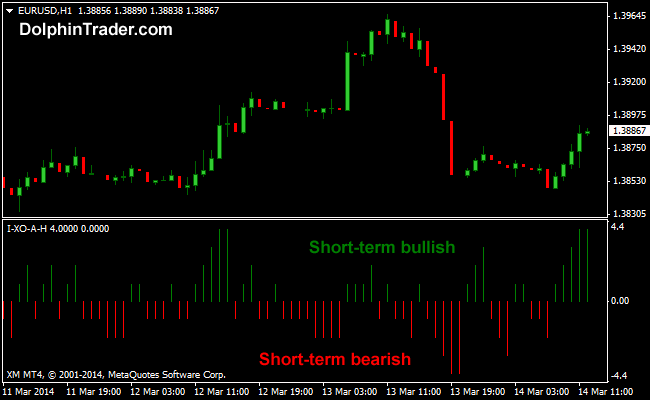
Understanding the Power of Market Sentiment
For long-term investors, understanding market sentiment is crucial as it can drastically affect stock valuation. While fundamentals like earnings and growth potential are vital, sentiment often drives price movements in the short term, potentially creating opportunities or risks for investors. Recognizing how sentiment influences market behavior can lead to more informed investment decisions.
Key Drivers Behind Market Sentiment
Market sentiment is shaped by a variety of factors, including economic indicators, geopolitical events, and corporate news. Investor emotions, driven by fear or greed, can lead to irrational buying or selling, causing discrepancies between a stock’s market price and its intrinsic value. Additionally, media coverage and analyst opinions can amplify these emotions, further affecting sentiment.
Economic Indicators and Corporate Performance
Economic health indicators such as GDP growth, unemployment rates, and interest rates play a significant role in shaping sentiment. Positive data can boost confidence, leading to higher valuations, while negative data can have the opposite effect. Similarly, a company’s performance, as reflected in earnings reports and forward guidance, can sway investor sentiment significantly.
Expectations vs Reality
Stock prices often reflect not just current performance, but also future expectations. If a company is expected to grow rapidly, its stock price may already be high, reflecting these expectations. However, if reality falls short—due to missed earnings or guidance revisions—market sentiment can quickly turn negative, impacting valuation.
Case Study: Tech Sector Volatility
Consider the tech sector, where high growth expectations can inflate valuations. When companies fail to meet these lofty expectations, even marginally, the resulting sentiment shift can lead to sharp price corrections. This highlights the importance of aligning expectations with realistic outcomes.
What Could Go Wrong
Investors must be wary of overreliance on sentiment as it can lead to speculative bubbles or significant undervaluation. If sentiment-driven volatility leads to short-term losses, it might cause panic selling, especially among less experienced investors. Additionally, external shocks—such as geopolitical tensions or sudden regulatory changes—can abruptly alter sentiment, leading to rapid valuation shifts.
Long-term Impact
While sentiment can cause short-term volatility, it’s the long-term fundamentals that ultimately determine a company’s valuation. Investors should focus on sustainable growth, competitive advantages, and sound management practices to navigate through sentiment-driven market fluctuations.
Investor Tips
- Stay Informed: Keep track of economic indicators and industry trends that influence sentiment.
- Focus on Fundamentals: Ensure investment decisions are grounded in a company’s intrinsic value and growth potential.
- Be Patient: Consider sentiment-driven dips as potential buying opportunities if long-term fundamentals remain strong.
Remember, while market sentiment can sway valuations in the short term, it’s the underlying business health that sustains value over the long haul.
Disclaimer: This article is for informational purposes only and does not constitute financial advice. Please consult a financial advisor before making investment decisions.

Leave a Reply