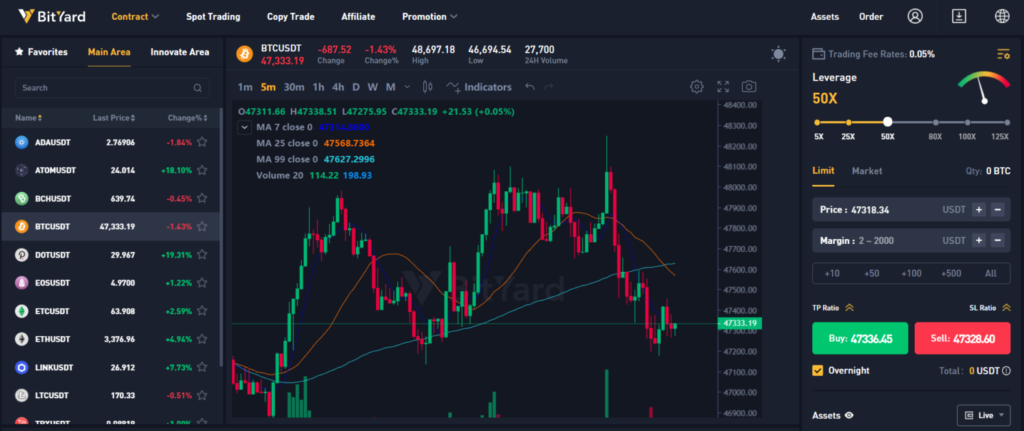
Introduction: The Pitfalls of Overtrading
Overtrading is a common yet often overlooked challenge for long-term stock investors. While the temptation to react to every market fluctuation can be strong, excessive trading can erode profits and increase transaction costs. Understanding how to avoid overtrading is critical for maintaining a disciplined investment strategy that aligns with long-term financial goals.
Key Drivers Behind Overtrading
Investors often overtrade due to emotional responses to market volatility, perceived opportunities for quick gains, or even a lack of clear investment strategy. This behavior is fueled by the instantaneous access to market data and trading platforms. However, frequent trading can lead to higher transaction costs and tax implications, ultimately diminishing returns. For long-term investors, understanding the root causes of these impulses is essential to maintaining a strategic approach.
Expectations vs. Reality in Trading Activity
The expectation that frequent trading yields higher returns is a common misconception. While some trades might result in short-term gains, the reality is that over time, the costs associated with frequent buying and selling can outweigh these benefits. Furthermore, long-term gains are often driven by the underlying fundamentals of the companies invested in, rather than short-term market movements. Successful long-term investors focus on the strength of the business model, management quality, and industry positioning rather than daily price changes.
What Could Go Wrong
The primary risk of overtrading is the erosion of investment capital due to increased costs. Additionally, overtrading can lead to poor timing decisions, where investors buy high and sell low, driven by fear or greed. This behavior can be exacerbated during periods of high market volatility or economic uncertainty. Furthermore, constant trading can detract from the broader investment strategy, leading to a portfolio that lacks coherence and alignment with long-term objectives.
Connecting Short-term Factors to Long-term Outcomes
While market fluctuations are inevitable, their impact on long-term investment outcomes can be mitigated by a disciplined approach. Focusing on the long-term performance of investments based on solid research and fundamental analysis can help investors avoid the pitfalls of overtrading. Consistent monitoring of key performance indicators and industry trends, rather than daily stock price movements, is more likely to result in sustainable growth over time.
Investor Tips: Staying the Course
- Define a clear investment strategy and stick to it, regardless of short-term market movements.
- Set specific criteria for buying and selling stocks based on fundamental analysis.
- Regularly review your portfolio to ensure alignment with your long-term goals, but avoid impulsive decisions.
- Limit access to trading platforms to reduce the temptation of frequent trading.
By maintaining a disciplined approach and focusing on long-term objectives, investors can avoid the detrimental effects of overtrading and build a more robust portfolio.
Disclaimer: This article is for informational purposes only and should not be considered financial advice. Please consult with a financial advisor for personalized guidance.

Leave a Reply