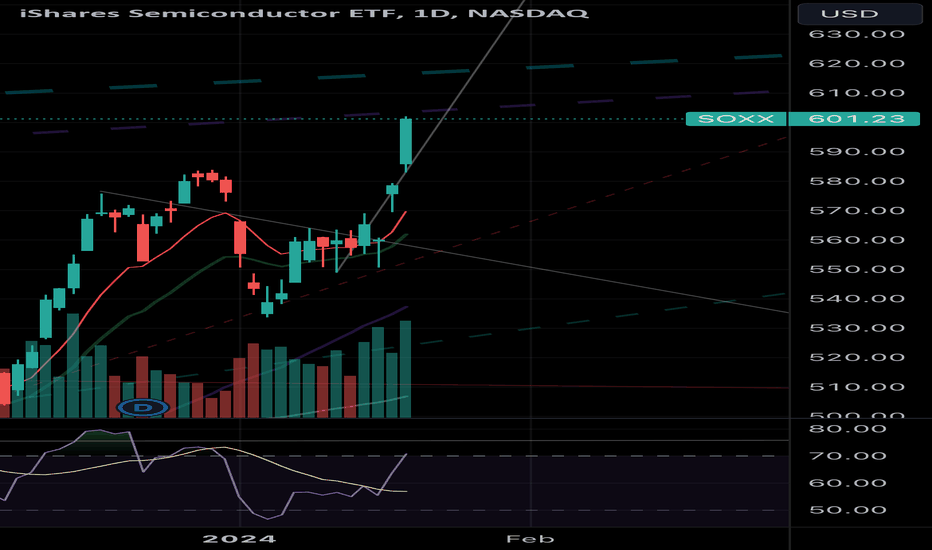
Why This Topic Matters to Investors
For long-term investors, deciding when to sell a stock can be as critical as choosing when to buy. Valuation multiples, such as the Price-to-Earnings (P/E) ratio, are popular tools for assessing whether a stock is fairly valued. However, relying solely on these metrics can be misleading. Understanding their relevance and limitations is essential for making informed investment decisions that align with long-term objectives.
Key Business and Financial Drivers
Valuation multiples are influenced by several key factors. Earnings growth is a primary driver, as higher expected growth can justify higher multiples. Industry trends and competitive positioning also play crucial roles. For instance, companies in high-growth sectors like technology may command premium valuations due to anticipated future performance. Additionally, macroeconomic conditions, such as interest rates and inflation, impact investor sentiment and valuation benchmarks.
Understanding these drivers helps investors assess whether a multiple accurately reflects a company’s potential or if market exuberance has inflated expectations beyond reasonable levels.
Expectations vs. Reality
Market expectations are often embedded in stock prices, and valuation multiples serve as a snapshot of these expectations. It’s crucial to differentiate between high multiples due to genuine growth prospects and those inflated by speculative behavior. For instance, a tech stock may have a high P/E ratio that reflects anticipated innovation and market expansion. However, if these expectations fail to materialize, the stock could experience significant corrections.
Investors must critically assess whether a stock’s valuation is supported by tangible business achievements or merely speculative hype.
What Could Go Wrong
Several risks could undermine valuation-based selling strategies:
- Misjudging Growth Trajectories: Overestimating a company’s growth potential can lead to premature selling, missing out on future gains.
- Ignoring Market Cycles: Economic downturns or sector-specific downturns can depress stock prices temporarily, skewing valuation multiples.
- Overreliance on Multiples: Valuation metrics are just one piece of the puzzle. Ignoring qualitative factors like management quality and innovation capabilities could lead to poor decision-making.
Long-Term Perspective
While short-term market movements can be volatile, it’s essential to maintain a long-term perspective. Valuation multiples should be contextualized within broader industry cycles and economic trends. Companies with solid fundamentals and competitive advantages are likely to deliver sustainable returns over time, regardless of temporary valuation fluctuations.
Staying focused on long-term value creation rather than short-term market noise can help investors achieve their financial goals.
Investor Tips
- Regularly reassess the growth assumptions underlying your stock valuations.
- Consider a stock’s historical valuation range to gauge if current multiples are justified.
- Balance quantitative metrics with qualitative insights to form a holistic investment view.
- Stay informed about macroeconomic factors that could impact valuation benchmarks.
Disclaimer: This article is for informational purposes only and does not constitute financial advice. Investors should conduct their own research or consult a financial advisor.

Leave a Reply