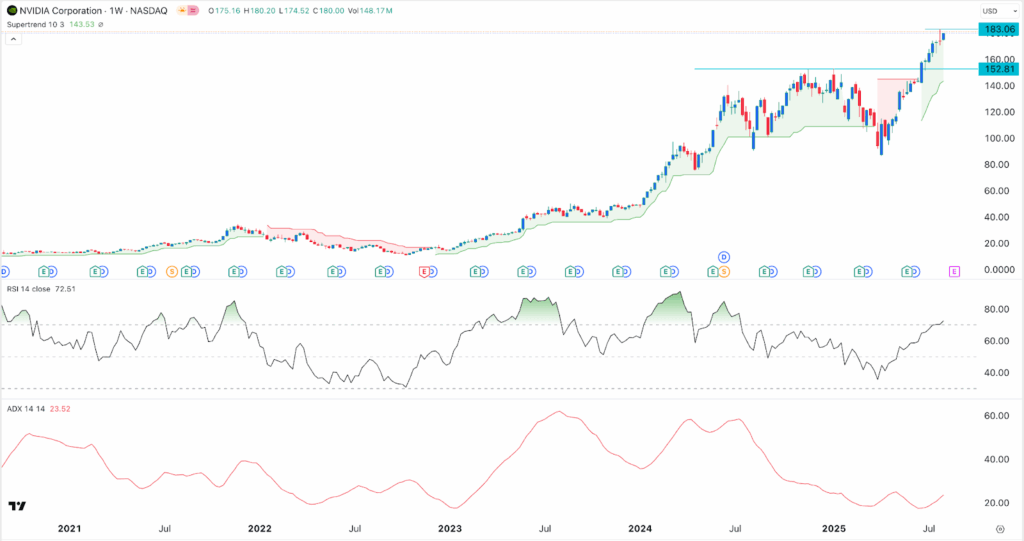
Why Selling After Long Bull Runs Matters to Investors
The decision to sell stocks after a prolonged bull market is a critical consideration for long-term investors. Bull runs often inflate stock prices, creating potential traps for those who fail to recognize when expectations have outstripped reality. Understanding the dynamics at play during these periods helps investors avoid the pitfalls of overvaluation and secure gains before market corrections occur.
Key Business and Financial Drivers
During extended bull markets, several drivers contribute to rising stock prices, including strong corporate earnings, favorable economic conditions, and investor optimism. Companies often report increasing revenues and profitability, which are typically fueled by robust consumer demand and strategic expansions. These factors can lead to high stock valuations, as investors anticipate continued growth and profitability.
Expectations vs. Reality
Investor expectations during bull runs often hinge on the belief that current growth trajectories will persist indefinitely. However, reality can diverge significantly when market dynamics shift. Rising interest rates, geopolitical tensions, or changes in consumer behavior can quickly alter the landscape. Investors must critically assess whether a company’s fundamentals justify its stock price or if prices are being driven by speculative enthusiasm.
What Could Go Wrong
Several risks loom over long bull runs that could disrupt investor gains:
- Economic Slowdown: A sudden economic downturn can derail corporate earnings, leading to a sharp decline in stock prices.
- Regulatory Changes: New regulations or tax policies can impact profitability, especially in sectors like technology and healthcare.
- Inflation Pressures: Rising inflation can erode purchasing power and increase production costs, squeezing margins.
- Market Sentiment Shifts: A change in investor sentiment can trigger widespread selling, irrespective of underlying fundamentals.
Connecting Short-Term Factors to Long-Term Outcomes
While short-term market fluctuations are inevitable, long-term investors must focus on sustainable business models and resilient financials. Companies that can adapt to changing environments, innovate, and maintain competitive advantages are likely to weather market volatility. Evaluating these aspects helps investors make informed decisions about when to hold or sell stocks after a bull run.
Investor Tips
- Evaluate Fundamentals: Regularly review whether a company’s fundamentals support its current valuation.
- Monitor Economic Indicators: Keep an eye on economic data that could signal shifts in market conditions.
- Stay Diversified: Maintain a diversified portfolio to mitigate risks associated with market corrections.
- Set Clear Exit Strategies: Define your exit criteria ahead of time to avoid emotional decision-making during market volatility.
Disclaimer: This article is for informational purposes only and should not be considered financial advice. Consult a financial advisor for personalized guidance.

Leave a Reply