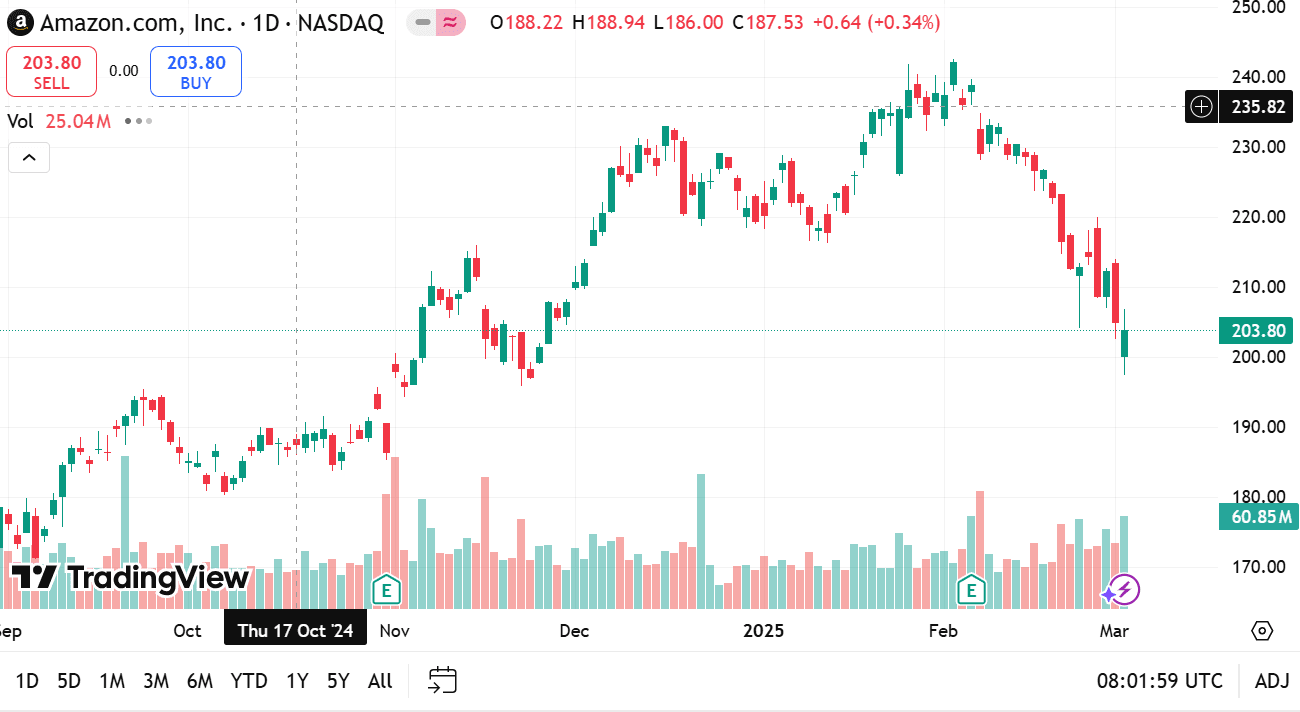
Why Regulatory Risks Matter to Investors
In the ever-evolving landscape of global markets, regulatory risks are an inevitable factor that can significantly impact sector valuations and investor returns. As governments and international bodies enact new policies, industries from tech to energy face potential shifts in their operational frameworks. For long-term investors, understanding these risks is crucial. Not only do they affect short-term profitability, but they also shape the strategic direction and competitive landscape of entire industries.
Key Business and Financial Drivers
Regulatory changes can stem from various drivers, including technological advancements, environmental concerns, and shifts in consumer protection laws. For instance, the tech industry is often at the forefront of regulatory scrutiny due to data privacy issues and antitrust concerns. These factors can alter competitive dynamics, where companies with robust compliance structures may gain an edge over less-prepared competitors. Similarly, the energy sector faces ongoing pressure to adapt to environmental regulations, which can lead to increased costs or necessitate investments in cleaner technologies.
Expectations vs Reality
When regulatory risks increase, the market often attempts to price in potential outcomes. Investors might anticipate higher operational costs or reduced profitability for affected companies. However, reality can differ significantly from these expectations. For example, companies might successfully mitigate risks by lobbying for favorable regulations or by innovating solutions that turn constraints into competitive advantages. Conversely, failure to anticipate stringent regulations could result in costly penalties and loss of market share.
What Could Go Wrong
Several pitfalls can arise when regulatory risks are underestimated or improperly managed. A primary concern is the potential for abrupt regulatory changes that catch companies off guard, leading to sudden financial strain. Moreover, there is the risk of prolonged legal battles that drain resources and distract from core business activities. Investors should also be wary of companies that rely heavily on regulatory arbitrage, as these strategies can unravel quickly if regulations tighten.
Long-Term Perspective
While short-term market reactions to regulatory developments can be volatile, long-term investors should focus on how these changes influence industry trends over several years. Companies that proactively address regulatory challenges may emerge stronger, with more sustainable business models. Additionally, sectors undergoing major regulatory shifts often present opportunities for new entrants or disruptors to challenge incumbents, potentially reshaping the competitive landscape.
Investor Tips
- Stay informed about pending regulatory changes in sectors of interest.
- Evaluate a company’s regulatory compliance track record and adaptability.
- Consider diversification across industries with varying regulatory risks.
- Focus on firms with strategic foresight and resource allocation for compliance and innovation.
Disclaimer: This article is for informational purposes only and does not constitute investment advice. Always conduct your own research or consult with a financial advisor before making investment decisions.

Leave a Reply