Introduction: Why Selling Stocks in Declining Cycles Matters
For long-term investors, understanding when to sell stocks during declining business cycles is crucial. These cycles can significantly impact portfolio performance and long-term financial goals. Investors must discern between temporary setbacks and structural declines to make informed decisions. This topic matters because the ability to identify and act during these cycles can mitigate losses and position investors for future gains.
Key Business and Financial Drivers
Impact of Economic Indicators
During declining business cycles, key economic indicators such as GDP growth, unemployment rates, and consumer confidence tend to weaken. These indicators influence corporate earnings and can cause stock prices to drop. Investors should closely monitor these metrics as they can provide early signals of the depth and duration of a downturn.
Corporate Resilience and Adaptability
The ability of a company to weather declining cycles often hinges on its resilience and adaptability. Companies with strong balance sheets, diversified revenue streams, and efficient cost management are better positioned to endure economic challenges. Investors should evaluate these factors to distinguish between transient difficulties and longer-term viability issues.
Expectations vs Reality: Bridging the Gap
Market expectations can often diverge from the underlying realities of a company’s performance. During declining cycles, pessimism can be overly priced into stocks, creating opportunities for investors who can identify fundamentally strong businesses. Conversely, if a company’s stock is priced for perfection, any slip in performance can lead to sharp declines. Investors must balance market sentiment with fundamental analysis to assess the true value of their holdings.
What Could Go Wrong
Several risks could exacerbate the challenges of selling stocks in declining cycles. A prolonged economic downturn could lead to sustained earnings declines, eroding shareholder value. Additionally, geopolitical tensions or unexpected regulatory changes can introduce further volatility. Investors should be prepared for these scenarios and have a contingency plan in place, such as diversifying their portfolios or setting stop-loss orders.
Long-Term Perspective: Connecting Short-Term Factors to Multi-Year Outcomes
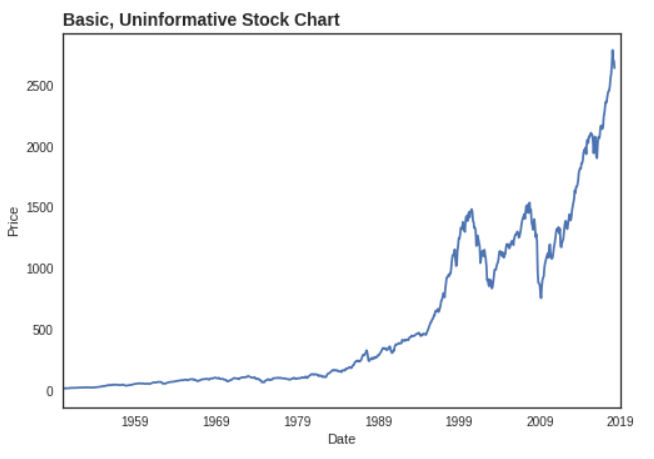
While short-term volatility can be unsettling, long-term investors should view declining cycles as part of the natural economic ebb and flow. By maintaining a focus on companies with solid fundamentals and growth potential, investors can emerge from downturns with stronger portfolios. Historical data shows that markets typically recover over time, rewarding those who maintain a disciplined, long-term strategy.
Investor Tips
- Regularly review and adjust your investment thesis based on new information.
- Stay informed about macroeconomic trends and their potential impact on your holdings.
- Consider dollar-cost averaging to take advantage of lower stock prices during downturns.
- Maintain a diversified portfolio to reduce risk exposure.
- Consult with financial advisors to align strategies with personal financial goals.
Neutral Disclaimer: This article is for informational purposes only and should not be considered financial advice. Investors should conduct their own research or consult with a professional advisor.

Leave a Reply