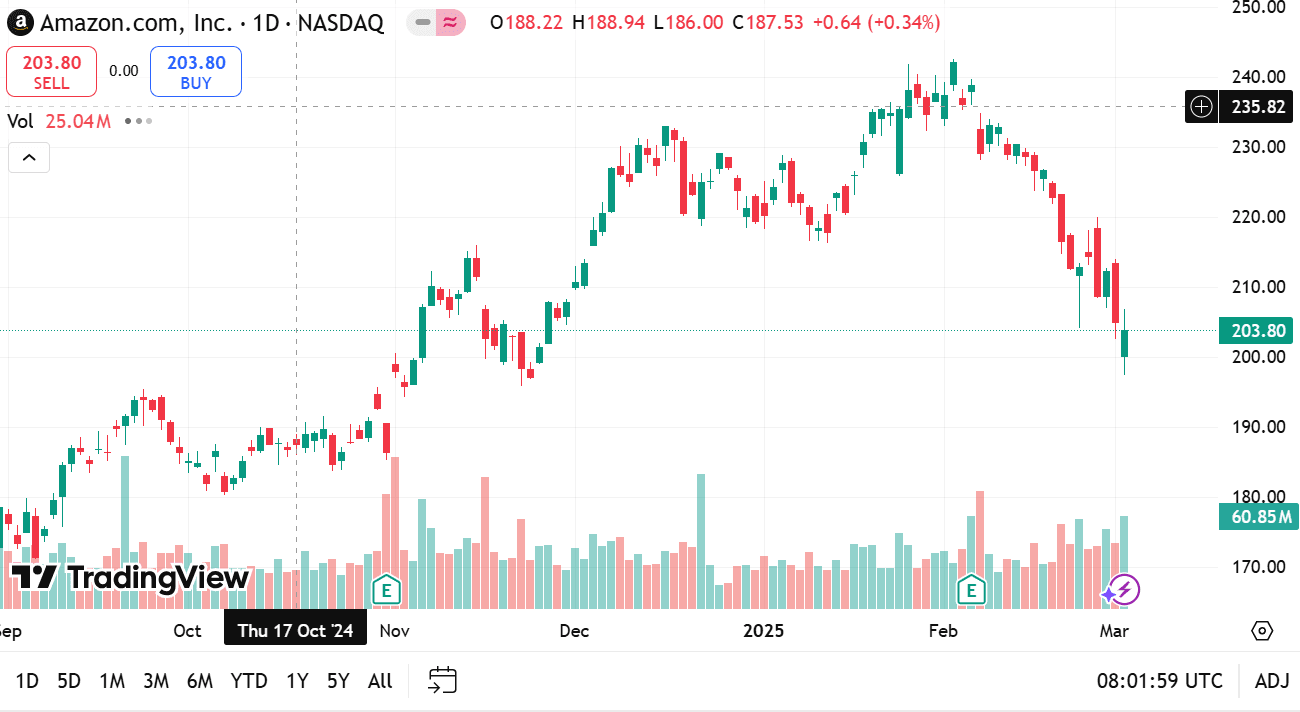
Why Revenue Mix Deterioration Matters to Investors
For long-term stock investors, understanding revenue mix deterioration is crucial. Revenue mix refers to the proportion of sales derived from different products, services, or markets. A deterioration in this mix can indicate shifting business priorities or challenges in maintaining a balanced and sustainable revenue stream. Why does this matter? Because it impacts the company’s growth trajectory and, ultimately, shareholder value. Investors must discern whether changes in revenue mix reflect strategic shifts or underlying weaknesses.
Key Business and Financial Drivers Behind Revenue Mix Changes
Revenue mix deterioration can stem from various factors. A company might experience declining sales in high-margin segments while seeing growth in lower-margin areas, reducing overall profitability. External factors, such as increased competition or regulatory changes, can also shift the revenue landscape. Furthermore, strategic decisions, like focusing on volume over value, might temporarily boost sales but compromise long-term financial health.
Expectations vs. Reality: Aligning Market Perceptions
Investors often have expectations built into a stock’s price regarding revenue distribution. When a company’s revenue mix deteriorates, it may defy these expectations, leading to stock volatility. For instance, if the market assumes continued growth in a high-margin sector that suddenly declines, this misalignment can result in sharp price corrections. Conversely, if the deterioration is part of a planned strategic pivot, the long-term outlook might remain positive if investors understand and support the transition.
What Could Go Wrong
Several risks arise from revenue mix deterioration. Firstly, if management fails to communicate the reasons behind the changes effectively, it could lead to investor mistrust. Additionally, if the deterioration signals deeper operational issues, such as product obsolescence or a weak competitive position, the company’s long-term prospects may be at risk. Lastly, an unbalanced revenue mix might increase vulnerability to economic downturns, as reliance on particular segments could expose the company to sector-specific risks.
Connecting Short-Term Changes to Long-Term Outcomes
While short-term revenue mix shifts can cause concern, they can also provide opportunities for realignment and growth. Companies that address the underlying causes of deterioration and diversify their revenue streams can emerge stronger. Investors should assess whether management’s strategies are likely to enhance the company’s competitive edge and market position over time, as these factors will drive sustainable long-term growth.
Investor Tips
- Monitor quarterly earnings reports for changes in revenue composition.
- Evaluate management’s communication and strategic plans regarding revenue shifts.
- Consider the broader industry context and potential external influences.
- Assess whether the company’s product and market diversification aligns with your investment goals.
This analysis is for educational purposes and does not constitute financial advice. Investors should conduct their own due diligence before making investment decisions.

Leave a Reply