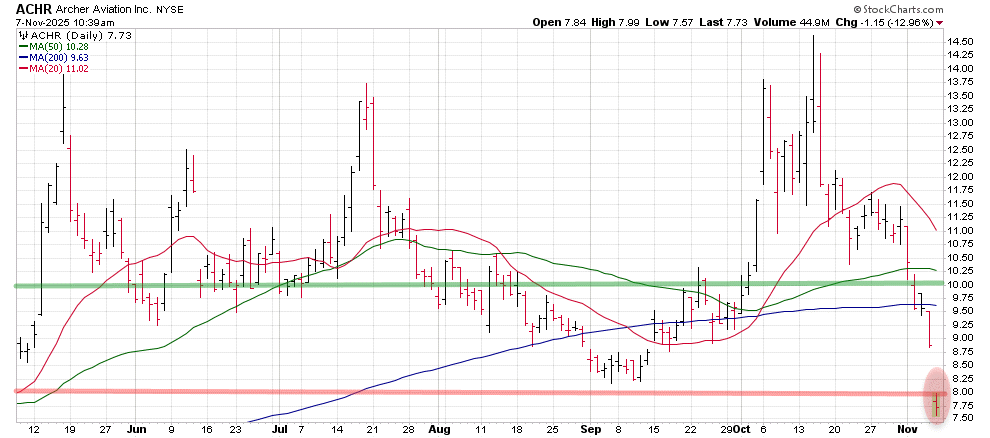
Understanding the Importance of Sector Dynamics
For long-term investors, navigating overheated sectors can be a perplexing challenge. These sectors, characterized by rapid price increases and high investor enthusiasm, often become focal points for speculation rather than sustained growth. Understanding why this matters is crucial, as making informed decisions about when to sell stocks in such sectors can significantly impact your portfolio’s long-term performance.
Key Drivers Behind Overheated Sectors
Overheated sectors typically arise from a mix of speculative interest, macroeconomic trends, and technological advancements. For example, the tech sector has seen explosive growth due to digital transformation trends. However, this optimism often overlooks fundamental business challenges, such as regulatory hurdles and competitive pressures. Identifying these drivers helps investors distinguish between genuine growth prospects and speculative bubbles.
Expectations Versus Reality: Navigating Market Sentiment
Investors must be wary of the expectations already priced into stocks within overheated sectors. Often, these expectations are inflated, assuming uninterrupted growth and perfect execution from companies. Reality, however, can diverge significantly due to unforeseen economic shifts, geopolitical tensions, or internal company challenges. Investors should critically evaluate whether current stock prices reflect realistic growth prospects or merely investor exuberance.
What Could Go Wrong
Several risks loom over investments in overheated sectors. Market corrections can swiftly deflate inflated valuations, leading to significant capital losses. Additionally, over-reliance on a single sector can expose portfolios to sector-specific downturns. Regulatory changes, technological disruption, or shifts in consumer behavior can further exacerbate these risks. Investors need to maintain a balanced perspective and diversify their holdings to mitigate these potential pitfalls.
Connecting Short-Term Factors to Long-Term Outcomes
While short-term gains in overheated sectors can be tempting, it’s essential to consider the long-term implications. Speculative bubbles often burst, leaving investors with depreciated assets. Long-term success hinges on recognizing sustainable business models and growth trajectories. By focusing on fundamentals and industry trends, investors can align their strategies with sectors poised for enduring growth, rather than short-lived surges.
Investor Tips
- Evaluate company fundamentals beyond market hype.
- Monitor macroeconomic indicators that could impact sector performance.
- Diversify your portfolio to spread risk across various sectors.
- Stay informed about regulatory changes affecting your investments.
- Regularly reassess your investment thesis to ensure it remains valid.
Disclaimer
This article is for informational purposes only and does not constitute financial advice. Please consult a financial advisor before making investment decisions.

Leave a Reply