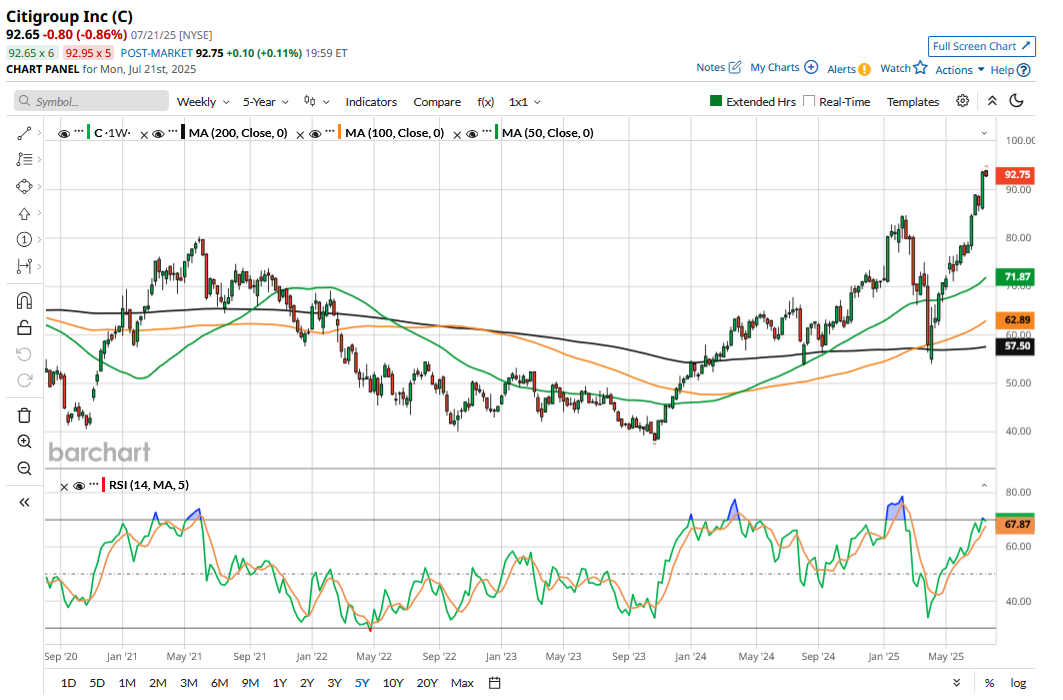
Introduction: The Significance of One-Time Factors in Earnings
For long-term investors, understanding the true drivers behind a company’s earnings is crucial. When a company’s financial performance is enhanced by one-time factors—such as asset sales, tax benefits, or legal settlements—it can create a misleading picture of its profitability. This topic matters because distinguishing between sustainable earnings and temporary boosts is key to making informed investment decisions and avoiding potential pitfalls.
Key Business Drivers Behind One-Time Earnings
One-time factors can arise from a variety of business activities. For instance, a company may sell a division, resulting in a large, non-recurring cash influx. While this can boost earnings in the short term, it doesn’t necessarily indicate an improvement in core operations. Similarly, tax credits or settlements can artificially inflate earnings, masking underlying inefficiencies or declining market share. Investors need to dig deeper into financial statements to assess whether such events are contributing to perceived growth.
Expectations vs Reality: The Investor’s Dilemma
When analyzing stocks, investors often face expectations already priced into the market. If a company reports strong earnings primarily due to one-time factors, the stock price may rise temporarily. However, if these factors are misunderstood as sustainable improvements, it can lead to overvalued stock prices. Conversely, a clear-eyed view recognizing these earnings as temporary can protect investors from future corrections when the reality of core performance sets in.
What Could Go Wrong
Relying on earnings inflated by one-time factors can lead to several risks. First, if these factors are not repeatable, future earnings may disappoint, leading to stock price declines. Additionally, overconfidence in management’s ability to sustain these earnings may lead to strategic missteps, such as over-leveraging or poor capital allocation. Investors need to be cautious of companies that frequently rely on such factors to meet earnings guidance.
Long-Term Perspective: Connecting the Dots
For long-term investors, the key is to assess how these short-term factors impact the company’s strategic trajectory. Are these one-time events being used to mask deeper issues, or are they part of a broader strategy for restructuring and growth? A thorough analysis can reveal whether a company is genuinely improving its competitive position or merely buying time. Ultimately, sustainable growth and operational efficiency should drive long-term value, not fleeting financial windfalls.
Investor Tips
- Examine financial statements for non-recurring items and assess their impact on overall earnings.
- Analyze management’s commentary and strategic plans to understand the context of one-time factors.
- Look for consistent growth in core business metrics, such as revenue and operating income, beyond one-time gains.
- Be cautious of companies that frequently rely on one-time earnings to meet or exceed expectations.
Disclaimer: This article is for informational purposes only and should not be considered financial advice.

Leave a Reply