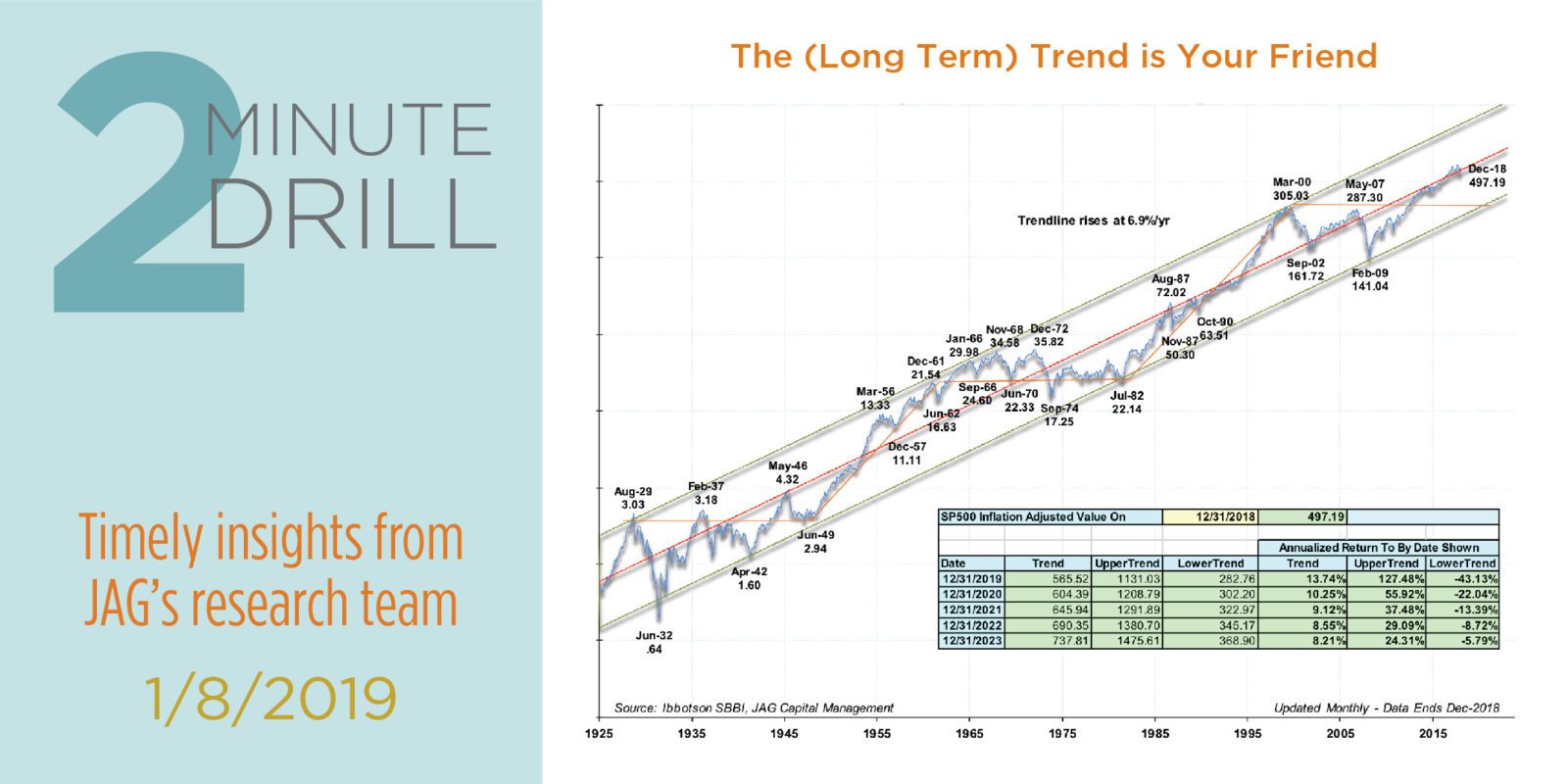
Why Knowing When to Exit Matters for Investors
Investing in the stock market isn’t just about picking the right stocks; it’s also about knowing when to sell them. This decision can significantly impact your portfolio’s long-term performance. Understanding when market conditions justify exits is crucial to preserving capital and maximizing returns. For long-term investors, the goal is to differentiate between temporary setbacks and fundamental shifts that could affect a company’s future prospects.
Key Business and Financial Drivers
Several factors drive a company’s stock performance. Revenue growth, profit margins, and cash flow stability are fundamental indicators of financial health. However, external factors such as regulatory changes, technological advancements, and economic cycles can also influence a company’s trajectory. Investors need to assess whether a company’s growth is sustainable or if it’s being artificially inflated by temporary market conditions.
Assessing Revenue and Profitability
Revenue and profitability trends can signal whether a company is on a solid growth path. Consistent revenue growth, coupled with expanding profit margins, generally indicates a healthy business. However, if growth is fueled by unsustainable cost-cutting or one-time gains, it might be time to reconsider your investment.
Expectations vs. Reality
Market expectations often drive stock prices. If a company is expected to grow at a certain rate, any deviation—positive or negative—can lead to significant price adjustments. It’s crucial to evaluate if a stock’s current price reflects its realistic growth potential. Overly optimistic projections can lead to inflated valuations, increasing the risk of a downturn when actual results fall short.
What Could Go Wrong
A multitude of factors can derail a company’s performance. Economic downturns can reduce consumer spending, while competitive pressures might erode market share. Additionally, poor management decisions or strategic missteps can lead to a decline in operational efficiency. Investors should remain vigilant for signs of stagnating growth, declining market relevance, or increasing debt levels that could jeopardize long-term value.
Connecting Short-Term Factors to Long-Term Outcomes
Short-term market volatility is inevitable, but it’s the underlying business fundamentals that determine a company’s long-term success. Investors should focus on how current conditions might affect future growth prospects. Understanding the cyclical nature of industries and how companies adapt to changes helps in making informed decisions about when to exit a position.
Investor Tips
- Regularly review financial statements to assess ongoing profitability and cash flow.
- Stay informed about industry trends and potential regulatory impacts.
- Consider the company’s competitive position and how it might evolve.
- Be cautious of stocks with high valuations based on speculative growth expectations.
- Set clear criteria for exiting investments based on both quantitative and qualitative factors.
Disclaimer: This article is for informational purposes only and should not be considered financial advice. Always conduct your own research or consult with a financial advisor before making investment decisions.

Leave a Reply