Why Valuation Matters to Investors
Investors often lean on valuation metrics like price-to-earnings ratios as a way to predict future stock performance. However, treating valuation as a crystal ball can be misleading. This is important because understanding the limitations of valuation can help investors make more informed decisions. Rather than forecasting stock prices, valuation should serve as a lens through which investors can examine the broader financial health and potential of a company.
Key Business and Financial Drivers
Valuation is shaped by several key factors, including earnings growth, market conditions, and business model viability. Earnings growth can indicate a company’s potential to generate profit, while market conditions, such as investor sentiment and economic trends, affect stock prices. The business model’s sustainability and adaptability are also crucial, as they determine long-term viability.
Expectations vs. Reality
Investors often have high expectations for companies with strong valuations, assuming that past performance will continue. However, this expectation can be deceiving. Market conditions may change, and unforeseen events can disrupt business models. Thus, while a high valuation might reflect current optimism, it doesn’t guarantee future success. Investors should assess whether the expectations baked into the stock price are realistic or overly optimistic.
What Could Go Wrong
Several risks can affect a company’s valuation. Economic downturns can lead to decreased consumer spending, impacting earnings growth. Competitive pressures may erode market share, affecting revenue streams. Regulatory changes can impose new costs or operational constraints. Investors must consider how these factors could derail a company’s performance and, consequently, its valuation.
Long-Term Perspective: Connecting Short-Term to Multi-Year Outcomes
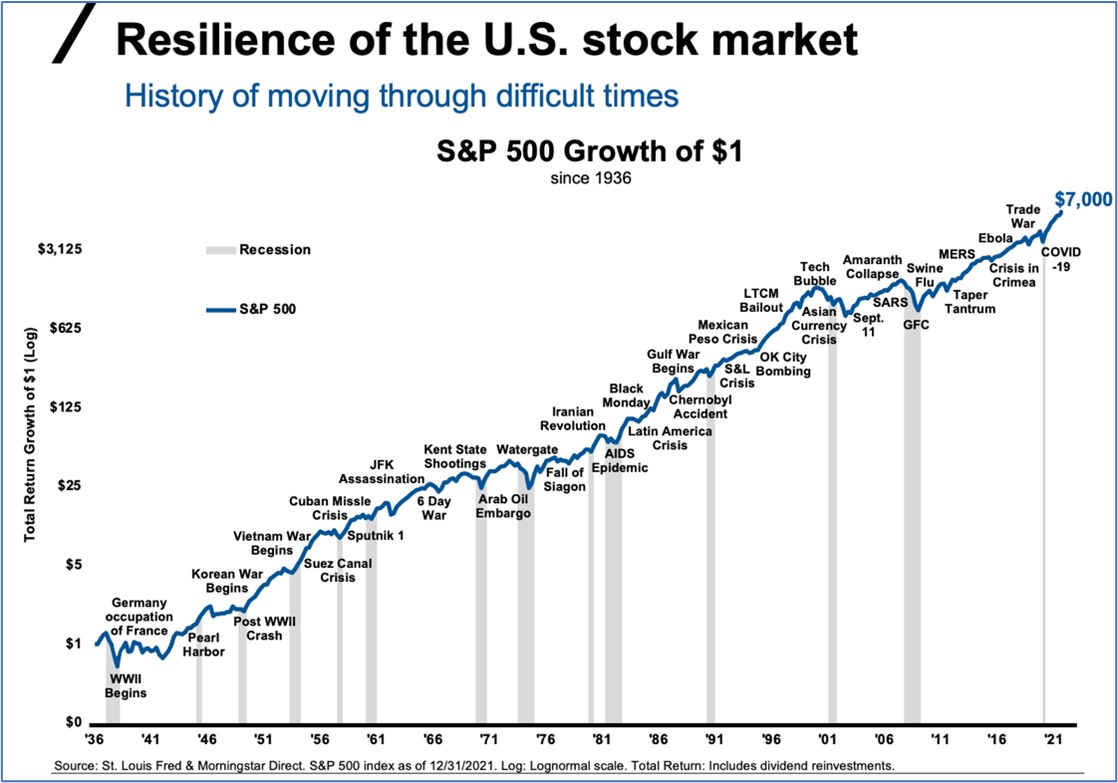
Short-term volatility is inevitable, and valuations can fluctuate based on immediate market reactions. However, for long-term investors, it’s essential to focus on a company’s fundamental strengths and strategic positioning. Sustainable growth, innovation, and adaptability are crucial for maintaining competitive advantage over several years. By focusing on these aspects, investors can align short-term market fluctuations with long-term investment goals.
Investor Tips
- Don’t rely solely on valuation metrics to make investment decisions.
- Conduct a comprehensive analysis of a company’s business model and market position.
- Stay informed about economic trends and regulatory changes that could impact your investments.
- Focus on companies with sustainable growth strategies and a strong competitive edge.
Disclaimer: This article is for informational purposes only and should not be considered financial advice. Always conduct your own research before making investment decisions.

Leave a Reply